Disease-model characterisation
Assess the tissue phenotype and whether it reflects the biological question being investigated.

Services
I assess disease models and treatment effects, with histological endpoints chosen for the question being investigated.
Investigative pathology
I assess tumour morphology and tissue biomarkers in preclinical oncology studies, combining histopathology with IHC/ISH and image analysis.
My broader experience includes monoclonal antibodies, antibody–drug conjugates and T-cell bispecific antibodies. I also work with multiplex and fluorescence preparations where available.
Disease-model assessment
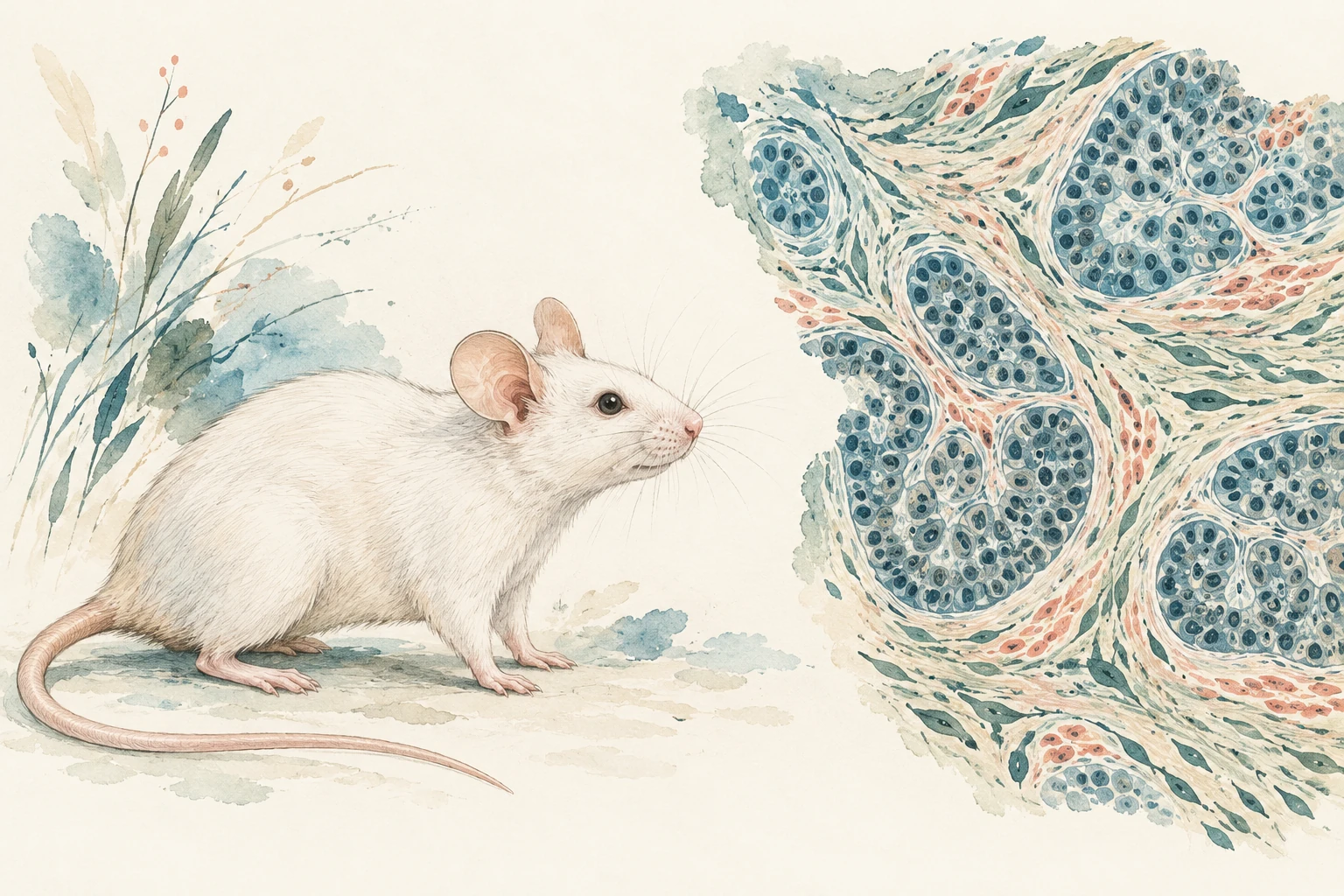
db/db mice · Type 2 diabetes
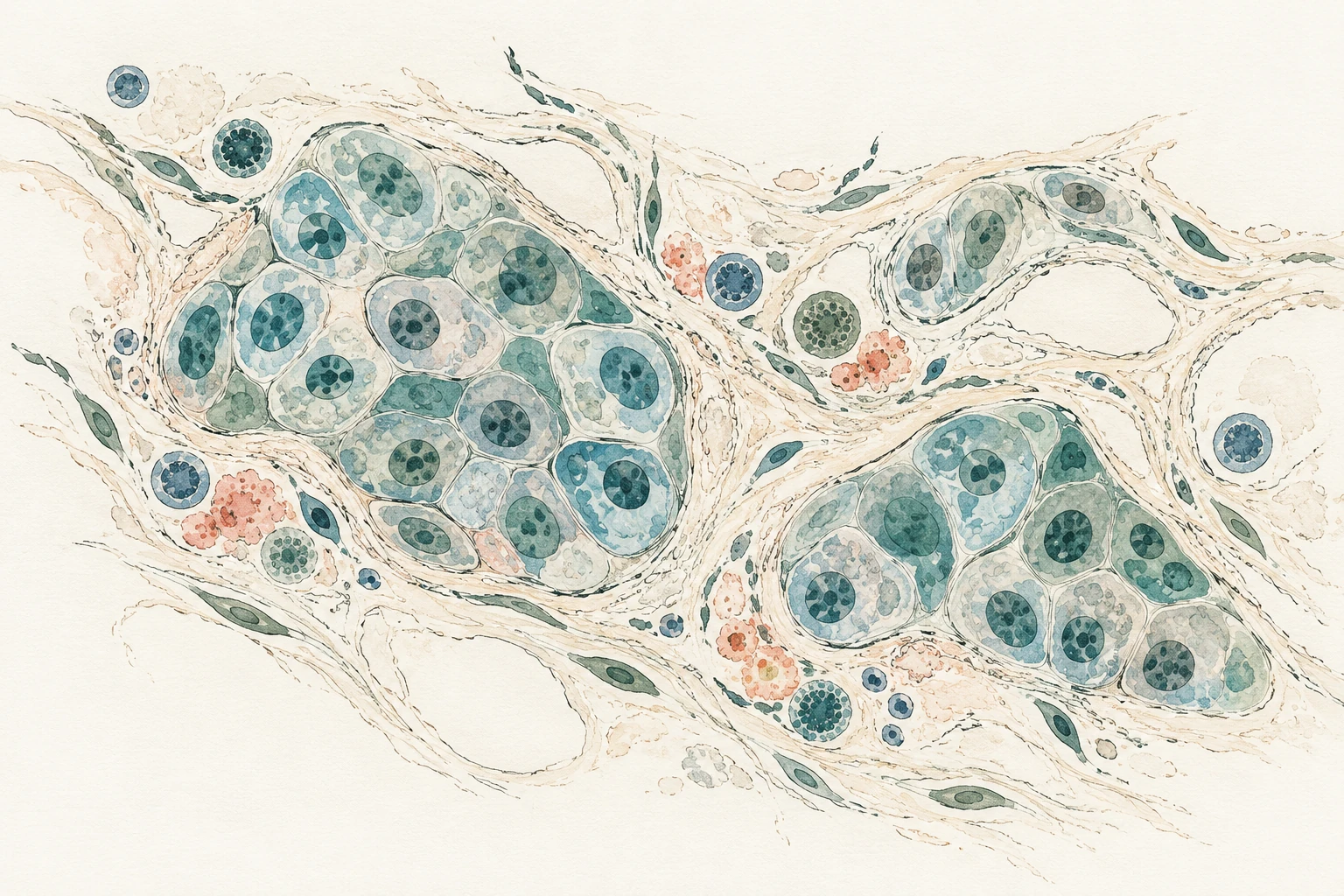
In a db/db type 2 diabetes study, tissue assessment can combine islet morphology, insulin-positive area and selected markers of beta-cell turnover with the study’s glucose-control data.
Genetic background, age and sex affect the phenotype and islet changes. Insulin-positive area in sampled sections does not, by itself, establish total beta-cell mass or insulin secretion.
Disease-model assessment
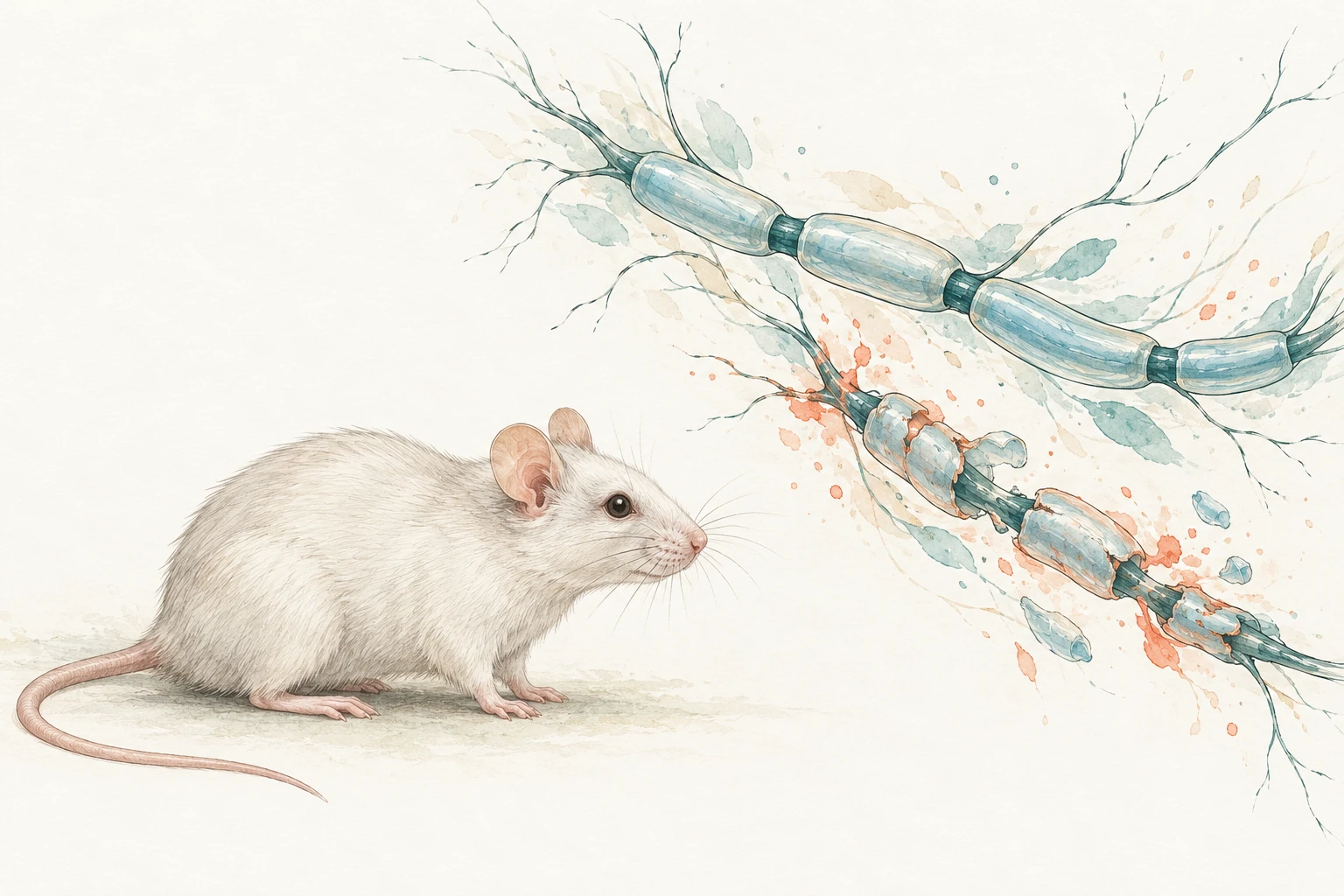
Neurological, inflammatory, fibrotic, metabolic and oncology models, among others. These examples show how the tissue assessment can be tailored to the study.
Assess the tissue phenotype and whether it reflects the biological question being investigated.
Evaluate pathological endpoints using a defined scoring or measurement approach, with blinded assessment where required.
Provide pathology input into tissue selection, sampling, scoring and the interpretation of unexpected findings.
Reports and analysis outputs can include:
Contact
Email me the question, the material available and your key dates.